
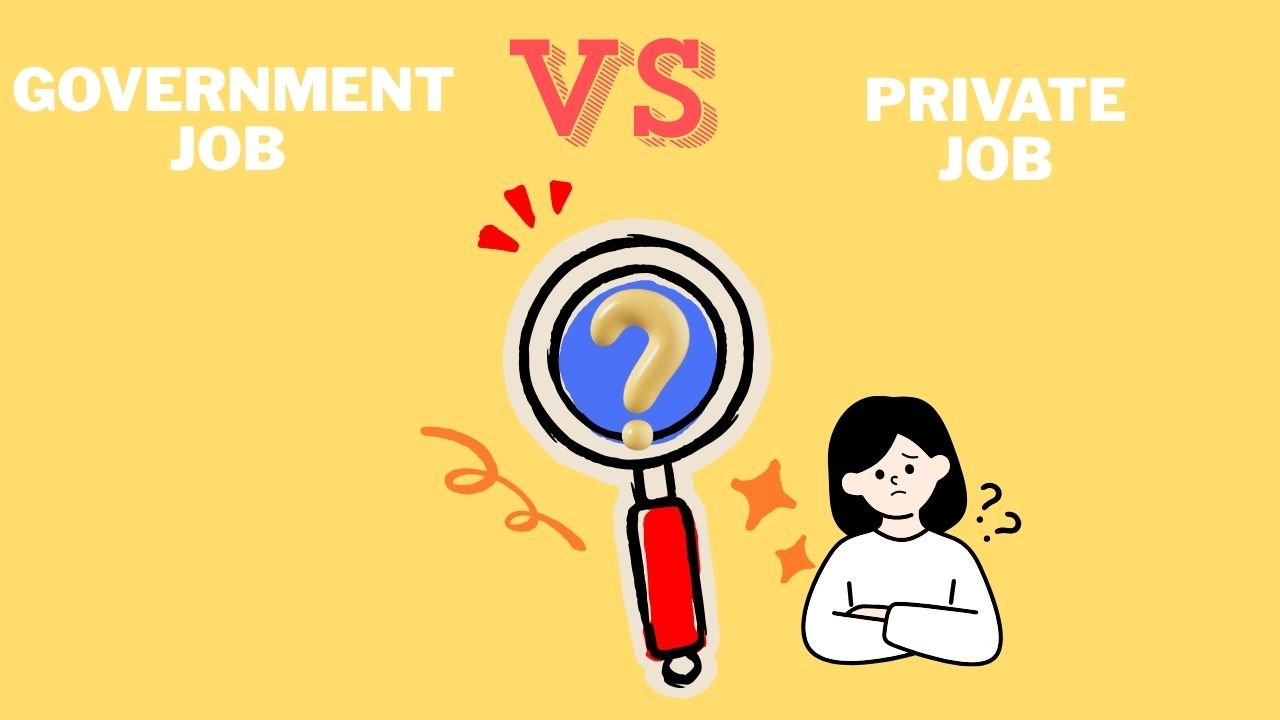
Choosing between government and private sector jobs in the UAE can be a difficult decision for job seekers. Both sectors offer different career opportunities, working environments, benefits, and challenges.
There is no single answer to the question, “Is the government sector better than the private sector?” The right choice depends on your career goals, skills, experience, preferred working hours, financial expectations, and long-term plans.
Some people prefer the stability and structured environment associated with government employment, while others prefer the faster career growth, variety of opportunities, and competitive environment that many private companies offer.
In this guide, we will compare government vs private sector jobs in the UAE, explain the main advantages and challenges of each, and help you decide which option may be more suitable for your career.
What Is the Private Sector?
The private sector includes companies, businesses, organizations, and institutions that are owned or operated by private individuals, investors, entrepreneurs, or corporate groups.
Private companies may operate locally in the UAE or internationally. Their activities can cover almost every industry, including technology, finance, construction, retail, hospitality, healthcare, education, marketing, transportation, and many other fields.
Examples of Private Sector Businesses
Some common examples include:
- Marketing and advertising companies
- Construction and engineering companies
- Event and interior design businesses
- Restaurants and cafés
- Retail stores
- Private schools
- Private clinics and healthcare centers
- Recruitment and staffing companies
- Printing and business service offices
- Automotive repair and maintenance businesses
- Technology and software companies
- Real estate companies
- Hotels and tourism businesses
The UAE private sector provides a wide range of career opportunities for both experienced professionals and people starting their careers.

7 Benefits of Working in the Private Sector
Private sector employment can offer several advantages, depending on the company, industry, and position.
1. More Job Opportunities
The private sector covers a large number of industries and companies, which can give job seekers many options when searching for employment.
2. Faster Recruitment in Some Companies
Some private companies have shorter recruitment processes than large organizations. However, the hiring timeline can vary significantly depending on the employer and position.
3. Career Growth Opportunities
Employees may have opportunities to take on additional responsibilities, move into management positions, or develop specialized skills as they gain experience.
4. Training and Professional Development
Many companies provide employees with training, workshops, certifications, or on-the-job learning to help them improve their professional skills.
5. Opportunities to Change Roles or Companies
Private sector professionals may have more flexibility to move between companies, industries, or positions as they develop their experience and qualifications.
6. International Career Opportunities
Large private companies may operate across multiple countries, giving employees opportunities to work with international teams or pursue careers in different markets.
7. Performance-Based Growth
In some organizations, strong performance can lead to increased responsibilities, promotions, bonuses, or salary reviews. These opportunities depend on the company’s policies and individual performance.
Challenges of Working in the Private Sector
Although private employment offers many opportunities, it can also come with challenges.
- Working hours may vary depending on the employer and position.
- Some roles can involve significant workloads and deadlines.
- Employees may experience competition within the workplace.
- Performance evaluations can create pressure for some employees.
- Salary increases may depend on company performance and internal policies.
- Job stability can vary between companies and industries.
- Some positions may require employees to work weekends, holidays, shifts, or overtime when applicable under the employment arrangement and UAE labor regulations.
For this reason, job seekers should carefully review the employment contract, working hours, benefits, leave policy, salary, and other conditions before accepting a private sector position.
What Is the Government Sector?
The government sector includes government departments, public authorities, and other organizations established or operated by the government to provide services and support the community.
Government organizations in the UAE operate across many areas, including education, healthcare, transportation, public services, infrastructure, security, and administration.
Examples of Government Organizations and Services
Depending on the emirate and the specific government structure, examples can include:
- Government schools
- Public hospitals and healthcare institutions
- Government departments
- Municipalities
- Police and public safety organizations
- Government authorities
- Infrastructure and public service organizations
- Public utilities and related authorities
- Government-owned or government-affiliated organizations
The exact employment conditions, benefits, eligibility requirements, and career opportunities can differ from one government entity to another.
7 Benefits of Government Jobs in the UAE
Government employment can be attractive to job seekers who value structure, stability, and long-term career planning.
1. Structured Working Environment
Many government organizations operate according to established procedures, policies, and clearly defined responsibilities.
2. Regular Working Arrangements
Depending on the organization and role, employees may have structured working schedules and clearly defined leave policies.
3. Employee Benefits
Government employers may provide a range of benefits and allowances depending on the employee’s position, contract, nationality, and the rules of the relevant government entity.
4. Job Stability
Government employment is often viewed as a stable career path. However, employees should still understand that employment conditions vary according to the organization, employment contract, and applicable regulations.
5. Professional Development
Government organizations may offer training programs and professional development opportunities to help employees improve their skills and progress in their careers.
6. Clear Career Structures
Some government organizations have established job grades and career structures, which can help employees understand the requirements for professional progression.
7. Long-Term Career Planning
For people who prefer a structured career path and long-term planning, government employment may be an attractive option.
Challenges of Government Jobs
Government employment also has some challenges that job seekers should consider.
- Competition for some government positions can be high.
- Recruitment processes may take time.
- Promotions can depend on organizational structures, available positions, performance, and internal policies.
- Employees are generally expected to follow established procedures and administrative requirements.
- Some positions have specific eligibility or qualification requirements.
- Career flexibility may differ from one government organization to another.
- Certain roles may have responsibilities, schedules, or working conditions that are not suitable for everyone.
Therefore, government employment should not automatically be considered the best option for every job seeker.
Government vs Private Sector Jobs in UAE: Which Is Better?
The answer depends on what you want from your career.
If your priority is stability, structured working arrangements, long-term planning, and specific employee benefits, a government position may be a good fit.
On the other hand, if you are looking for career flexibility, exposure to different industries, faster professional development, or opportunities in a competitive business environment, the private sector may be more suitable.
Your decision should also take into account the specific employer rather than simply comparing the two sectors.
A good private company can offer excellent salary packages, training, career development, and a positive working environment. Likewise, a government position may have specific requirements, responsibilities, and working conditions that should be evaluated before accepting an offer.
Which Sector Should You Choose?
Before accepting a job, ask yourself a few important questions:
What Are Your Career Goals?
Think about where you want your career to be in three, five, or ten years. Do you prefer a structured career path, or would you rather work in a fast-moving business environment?
What Working Hours Suit You?
Consider whether you prefer a predictable schedule or whether you are comfortable with shifts, changing schedules, deadlines, or additional working hours when required by the role.
What Skills Do You Want to Develop?
Choose an environment that allows you to build skills relevant to your long-term career. Training and practical experience can be valuable in both sectors.
What Benefits Are Important to You?
Do not look only at the basic salary. Compare the complete employment package, including allowances, insurance, leave, working hours, bonuses where applicable, training, and other benefits.
What Type of Work Environment Do You Prefer?
Some people perform better in highly structured organizations, while others enjoy the fast pace and competition of private companies.
Final Thoughts: Government or Private Sector?
So, is the government sector better than the private sector in the UAE?
There is no universal answer.
The best choice is the one that matches your career goals, skills, qualifications, financial expectations, lifestyle, and long-term plans.
Government jobs can be attractive to people who value structure and stability, while private sector jobs can provide a wide variety of opportunities and potentially faster professional development.
Instead of choosing a sector based only on its reputation, compare the actual job offer carefully. Look at the salary, working hours, responsibilities, benefits, career development opportunities, location, employment contract, and company or government entity.
Your skills, qualifications, experience, and commitment to professional development can make a significant difference in your career regardless of which sector you choose.
Important Job Scam Warning for UAE Job Seekers
Always be careful when applying for jobs in the UAE.
You should never pay money simply to receive a job offer or guarantee employment. If someone asks you to transfer money in exchange for a job, interview, visa, recruitment, or employment opportunity, take extra caution and verify the employer and offer through official channels.
Scammers may pretend to represent a government organization, recruitment company, or well-known business. Never provide money or sensitive personal information before verifying the legitimacy of the opportunity.
When searching for government and private sector jobs in the UAE, use trusted job sources and verify the employer before accepting an offer.
Job seekers in the UAE can also review official employment information and labor regulations through the UAE Government portal before accepting a job offer.
Frequently Asked Questions
Is a government job better than a private sector job in the UAE?
Not necessarily. The better option depends on your career goals, qualifications, preferred working environment, salary expectations, and long-term plans.
Are private sector jobs good for career growth?
Yes. Many private companies offer training, promotions, professional development, and opportunities to gain experience. Career growth depends on the employer, industry, role, and employee performance.
Are government jobs more stable?
Government employment is often associated with greater stability, but employment conditions vary between government entities and contracts. It is important to review the specific position and employment terms.
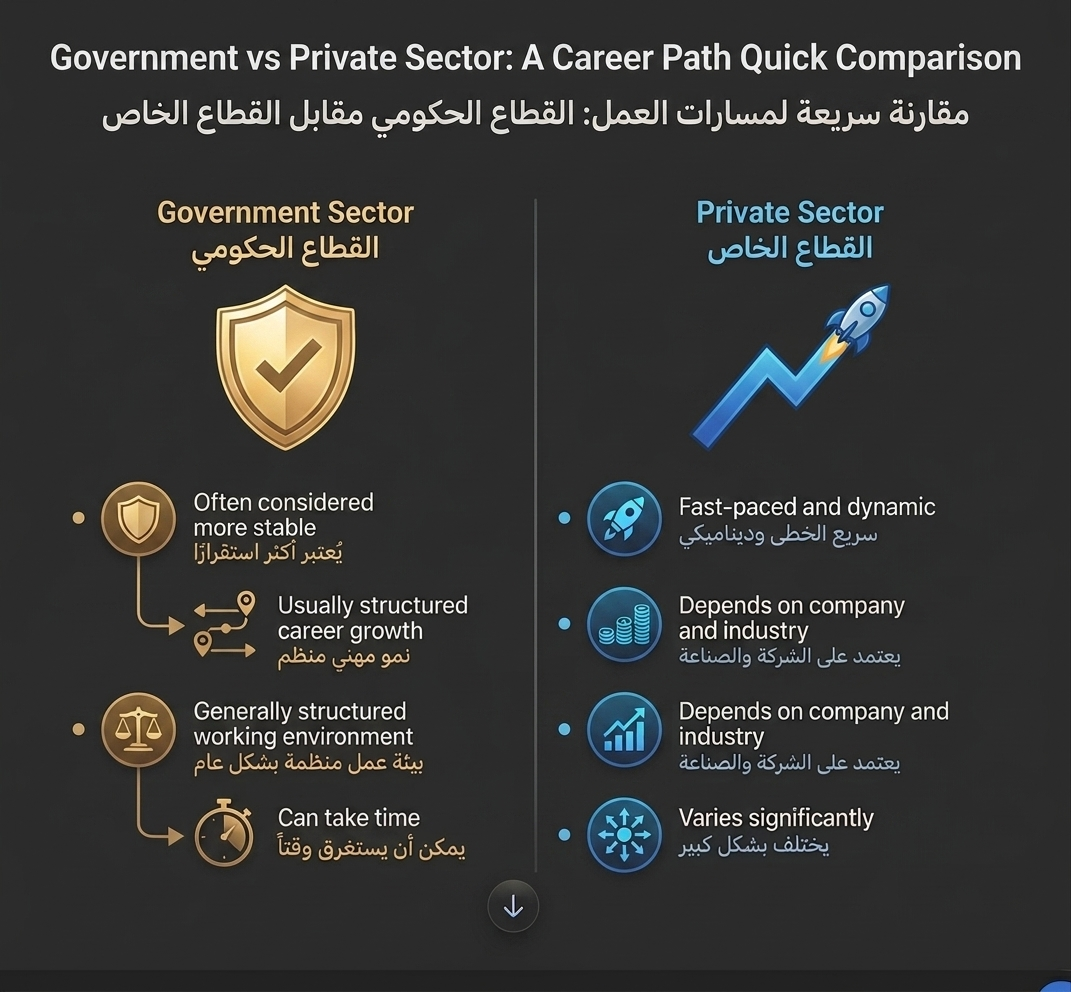
Government vs Private Sector: Quick Comparison
Which sector offers higher salaries in the UAE?
There is no single sector that always offers higher salaries. Compensation depends on the position, qualifications, experience, industry, employer, and overall employment package.
How can I choose between government and private sector jobs?
Start by comparing your career goals, salary expectations, working hours, benefits, job responsibilities, career growth opportunities, and long-term plans. Then compare specific job offers rather than choosing based only on the sector.
Start Your UAE Job Search
Whether you are interested in government jobs or private sector jobs in the UAE, finding the right opportunity starts with understanding your career goals and comparing available positions carefully.
Explore different job categories, locations, and opportunities to find a position that matches your experience and professional ambitions.

“The Jobs Daily editorial team is dedicated to tracking and publishing the latest verified job opportunities across the United Arab Emirates. We assist job seekers by providing career guides and resume optimization strategies designed to pass Applicant Tracking Systems (ATS).”