

Interior design is both an art and a science. It focuses on improving the way people experience a space by creating beautiful, functional, and welcoming interiors that reflect the client’s personality and preferences.
An interior designer’s job goes far beyond choosing furniture. A good designer translates a client’s ideas, feelings, and lifestyle into a physical environment through elements such as lighting, furniture, colors, artwork, materials, and spatial planning. Every element should have a purpose and work naturally with the rest of the space.
Many people assume that an interior designer’s work is finished once the furniture has been selected. In reality, interior design is much more complex. Professional designers need a strong understanding of space, human behavior, color, materials, proportions, and functionality.
A client may not always know exactly what they want. This is where an interior designer can make a real difference. The designer’s role is to ask the right questions, understand the client’s lifestyle and preferences, and help them discover what truly suits them.
This is one of the reasons interior design can have such a significant influence on how people feel in a space. The right layout, colors, lighting, and materials can contribute to a sense of comfort, calm, and belonging.
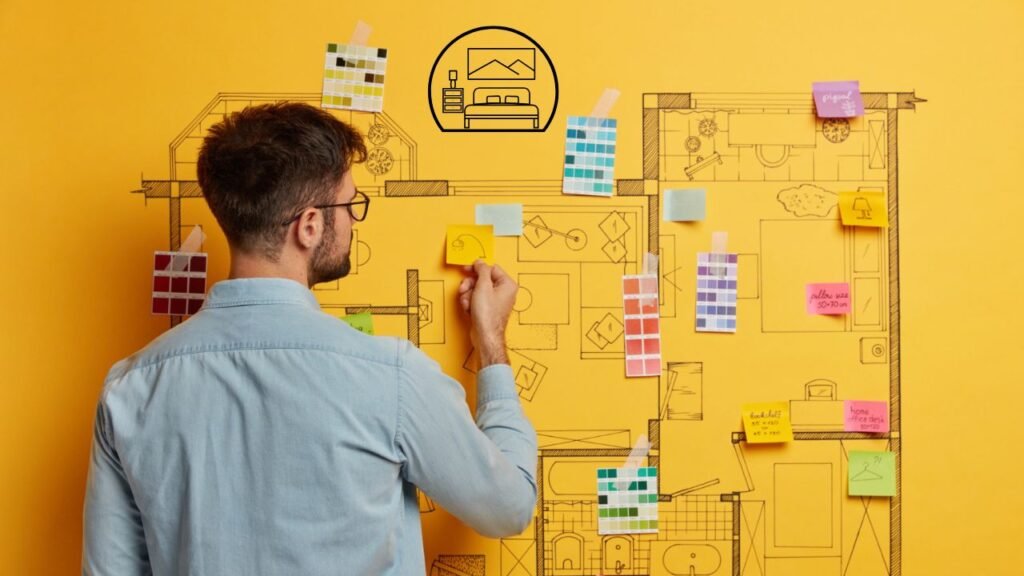
Basic Principles of Interior Design
Creating a beautiful, balanced, and harmonious interior usually requires a combination of fundamental design principles.
1. Details
Small details that may initially seem unimportant can have a major impact on the overall appearance of a room.
Door handles, decorative accessories, artwork, fabrics, wooden surfaces, patterns, and carefully selected decorative pieces can add character and personality to an interior.
The key is not simply to add more decorations, but to choose details that complement the overall design.
2. Colors
Color plays an important role in the atmosphere of any interior.
Using a thoughtful combination of light and dark shades can create contrast, depth, and visual interest. However, colors should always be selected according to the client’s preferences and the purpose of the space.
Choosing colors randomly or using combinations that do not work well together can make a room feel uncomfortable or disconnected.
3. Space and Scale
Scale refers to the size of furniture and other elements in relation to the room.
Furniture, decorations, and accessories should be proportional to the available space. This helps prevent a room from feeling overcrowded or unbalanced.
For example, placing a large sofa in a small living room can make the space feel cramped and difficult to move around in. A good designer considers measurements carefully before selecting furniture.
4. Style
Style is one of the most important starting points in an interior design project because it reflects the personality and taste of the client.
Understanding the preferred style helps the designer establish the overall direction of the project. Popular options include classic, neoclassical, modern, industrial, rustic, Scandinavian, and bohemian interiors.
Each style has its own characteristics, materials, color palettes, furniture choices, and decorative elements.
Most Popular Interior Design Styles
The world of interior design offers a wide variety of styles to suit different personalities, lifestyles, and preferences. Some of the most popular styles include:
Neoclassical Interior Design
Neoclassical design is known for its elegant details and refined appearance.
It often combines a sense of luxury with a comfortable and balanced atmosphere. Unlike overly elaborate interiors, neoclassical spaces usually focus on sophisticated details, harmonious colors, elegant furniture, and a sense of proportion.
The result is a timeless interior that feels luxurious without becoming overwhelming.
Classic Interior Design
Classic interior design is associated with elegance, luxury, rich colors, decorative details, and high-quality materials.
It often incorporates traditional furniture, ornamental elements, artwork, and carefully crafted details inspired by historical design periods.
A well-executed classic interior can create a sense of timelessness and sophistication.
Modern Interior Design
Modern interiors focus on simplicity, functionality, and clean lines.
Neutral colors, open spaces, simple furniture, and uncluttered layouts are common features. The goal is usually to create an environment that feels organized, comfortable, and contemporary.
Scandinavian Interior Design
Scandinavian design is widely recognized for its simplicity, functionality, and calm atmosphere.
Neutral colors, natural materials, simple furniture, open spaces, and light wood tones are common features. These elements help create a warm and inviting environment while maintaining a clean and minimal appearance.
Industrial Interior Design
Industrial design takes inspiration from factories, warehouses, workshops, and converted industrial spaces.
It commonly uses exposed brick, metal, unfinished wood, concrete, visible structural elements, and darker tones.
The combination of raw materials and simple furniture gives the space a distinctive industrial character.
Bohemian Interior Design
Bohemian design is associated with creativity, freedom, and individuality.
It often includes vibrant colors, different fabrics, decorative accessories, plants, artistic pieces, and furniture inspired by different cultures.
Rather than following strict rules, bohemian interiors tend to emphasize personality and a relaxed atmosphere.
Future Interior Design Trends for 2027
Interior design is constantly evolving. In 2027, we can expect designers and homeowners to continue exploring ideas influenced by sustainability, technology, changing lifestyles, and the desire for more personalized spaces.
Here are some trends that may become increasingly important:
1. Flexible and Adaptable Interiors
People do not necessarily want to replace their furniture every time they become tired of a particular look.
Instead, flexible design allows a room to be refreshed without making major changes.
For example, you can change decorative accessories, cushions, artwork, rugs, flowers, or other small elements to give a room a completely different atmosphere.
This approach can also be more practical and cost-effective over time.
2. A Stronger Connection With Nature
Natural and sustainable materials are becoming increasingly popular in interior design.
Natural wood, stone, organic textures, and indoor plants can help create a more relaxing and welcoming environment.
Plants are also being used more frequently as decorative elements both indoors and in outdoor living areas.
The growing interest in natural materials reflects a broader desire to create spaces that feel connected to nature.
3. Warm and Comfortable Colors
Warm and calming colors are expected to remain popular in residential and commercial interiors.
Depending on the overall design, shades such as light blue, deep blue, olive green, light brown, and burnt orange can be used in furniture, wallpaper, accessories, and accent walls.
The goal is not simply to follow a color trend, but to create an atmosphere that feels comfortable and visually balanced.
4. Personal Expression and Custom Design
Personalization is becoming increasingly important in interior design.
Homeowners are showing more interest in artwork, unique decorative objects, custom-made pieces, and designs that reflect their individual personalities.
Some people are even creating their own concepts and turning them into customized interiors, from specially designed wallpaper to unique patterns and artistic installations.
This trend allows a home to feel more personal rather than looking like a standard showroom.
5. Smart Lighting and Layered Lighting
Lighting can dramatically change the atmosphere of a room.
Different types and intensities of lighting can influence how comfortable or energetic a space feels. Warm lighting, for example, is often associated with a relaxing and cozy atmosphere.
Modern interior design increasingly incorporates smart lighting systems that allow users to adjust brightness and color temperature according to the time of day or activity.
Layered lighting is also important because relying on a single light source can make a room feel flat. Combining ambient, task, and accent lighting can create a more balanced and visually interesting environment.
6. Open and Spacious Layouts
Open-plan interiors continue to appeal to many homeowners because they can make a space feel larger and more connected.
For example, a kitchen may be designed to flow naturally into the dining and living areas, creating a more social and flexible environment.
However, open spaces still need careful planning. Furniture placement, lighting, colors, and proportions should work together to create a sense of harmony between the different areas.
Important Tips for Interior Designers
If you want to create successful interior design projects, there are several practical principles worth keeping in mind.
Plan the Budget Carefully
A well-planned budget can help prevent unexpected expenses.
Before purchasing furniture or materials, determine how much you can realistically spend and divide the budget between essential items, decorative elements, labor, and possible additional costs.
Give Furniture Enough Space
Avoid filling a room with too much furniture.
Choose each piece carefully and make sure there is enough space for movement. Comfortable furniture is especially important in areas such as bedrooms and living rooms.
It can be worth investing more in items that are used every day, such as a bed or sofa, because quality and comfort can make a significant difference over time.
Do Not Rush the Design Process
Good interior design requires planning.
Rushing into furniture purchases or choosing items without checking measurements can result in poor proportions, limited movement, or an unbalanced design.
Take your time to measure the space, compare options, and consider how every element will work with the rest of the room.
Use Artwork and Decorative Pieces Carefully
Artwork can become an important focal point in a room, but it needs to be positioned thoughtfully.
Wall art should generally be placed at a comfortable viewing height and in a location where it complements the surrounding furniture.
Decorative and antique pieces should also be positioned carefully, particularly when lighting is involved, so that they can be displayed effectively without making the space feel crowded.
Best Apps and Tools for Interior Design
Technology has made interior design more accessible to both professionals and beginners.
Some useful tools and applications include:
- Planner 5D
- DecorMatters
- AutoCAD
- Color Capture
- ColorSnap Match
- HomeStyler
These tools can help with different stages of the design process, including space planning, visualization, color selection, and creating interior concepts.
The best tool depends on your experience, project requirements, and the level of detail you need.
Interior design is much more than arranging a few pieces of furniture, choosing a wall color, or adding decorative accessories.
It is a creative and practical process that combines space planning, functionality, aesthetics, materials, lighting, color, and an understanding of the people who will use the space.
A successful interior should not only look beautiful but also feel comfortable and reflect the personality and lifestyle of its occupants.
As technology continues to develop and people’s lifestyles change, interior designers will have more opportunities to create flexible, personalized, sustainable, and intelligent spaces.
Ultimately, great interior design is about transforming an ordinary space into an environment where people feel comfortable, connected, and truly at home.

“The Jobs Daily editorial team is dedicated to tracking and publishing the latest verified job opportunities across the United Arab Emirates. We assist job seekers by providing career guides and resume optimization strategies designed to pass Applicant Tracking Systems (ATS).”